



The Technical Foundation for Trusted Computing Power
Secured by cryptography and powered by computing-power verification, providing enterprise-grade infrastructure for Web3.
Technical Architecture
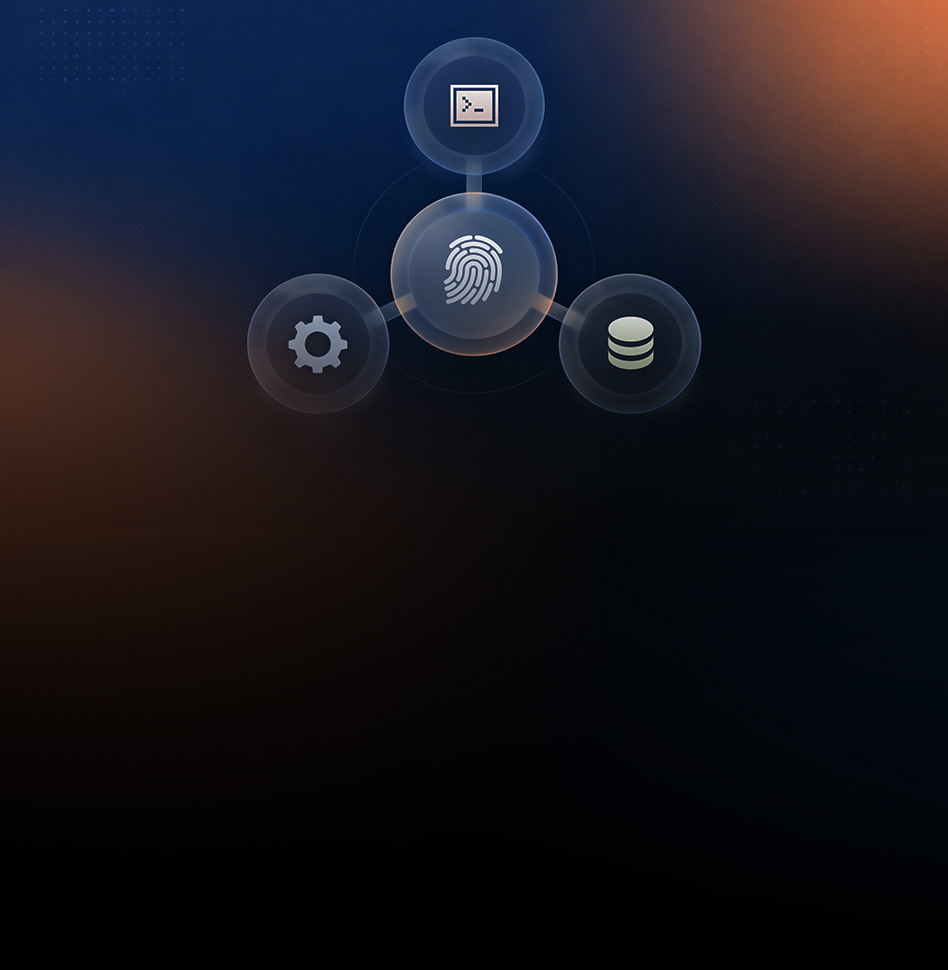
The underlying design of DF Protocol is based on the Diffie–Hellman key-exchange protocol and centers on decentralized computing-power verification and encrypted communication collaboration, aiming to build a distributed trust network that integrates cryptographic security with a computing-power economy.
-

-
Security
Enterprise-Grade Computing-Power Communication Security
DF Protocol’s encrypted communication system is built on the ECDH key-exchange mechanism. Its implementation has undergone rigorous auditing and provides forward secrecy and post-compromise security. This ensures that computing-power reporting, identity verification, and reward settlement between nodes cannot be retroactively decrypted under any circumstances, offering robust message and data security for enterprise-grade computing-power collaboration and critical Web3 infrastructure.
-
-
-
Identity
Specifically Designed for On-Chain Computing-Power Identity
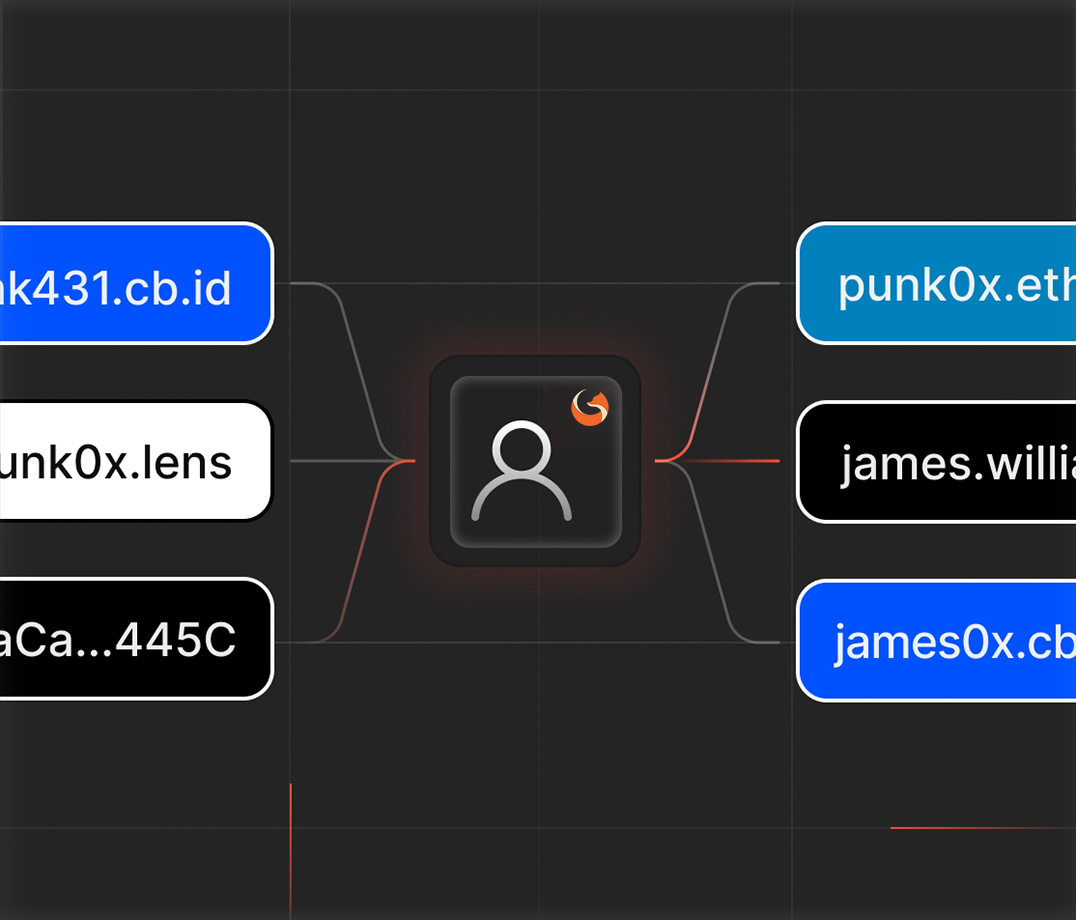
Upgrade each on-chain identity into a verifiable, cryptographically protected computing-power and communication credential. Through the Node DH-ID encrypted identity system, any node, wallet, public-key address, or cross-chain identity can serve as a trusted entry point for secure computing-power reporting, node collaboration, and incentive settlement.
-
Decentralization
Tamper-Proof Infrastructure
Your messaging infrastructure operates independently of any single operator or organization. No central authority can change the rules, revoke access, or shut down services that users rely on.
-

-
 Expertise
in Encrypted Communication
Expertise
in Encrypted Communication
We provide exchanges with end-to-end encrypted communication capabilities based on DH/ECDH, ensuring that nodes and computing-power data remain secure and reliable throughout the entire network.
-
 Standardization
of Computing-Power Assets
Standardization
of Computing-Power Assets
We help nodes and institutions convert computing-power outputs into on-chain verifiable assets. Through signatures, random audits, and timestamps, we ensure that computing-power production is authentic, transparent, and auditable.
-
 Excellence
in On-Chain Execution Design
Excellence
in On-Chain Execution Design
We ensure that your contract executions are transparent, automated, and tamper-proof, making computing-power incentives, deflationary mechanisms, and governance operations fully traceable and highly stable.
-
 Continuous
Cryptographic Upgrades
Continuous
Cryptographic Upgrades
We are committed to introducing advanced cryptographic technologies into the ecosystem, including quantum-resistant algorithms, hybrid signature structures, and privacy-preserving computation frameworks, driving the long-term evolution of the protocol.
-
 Scalable
Node Collaboration Network
Scalable
Node Collaboration Network
We provide a unified node identity system (Node DH-ID) and computational collaboration model, enabling institutions to rapidly deploy node clusters and expand computing-power networks across regions and chains.
-
 Ecosystem
Value Connectivity
Ecosystem
Value Connectivity
We help exchanges and node providers connect to global computing-power demand, creating a sustainable business flywheel where computing-power output, asset liquidity, and user growth reinforce each other.
Computing-Power Verification and Encrypted Authentication
-

-
Verifiable On-Chain Computing-Power Data
Computing-power data is automatically recorded on DF Protocol’s on-chain ledger, with all signatures, hash digests, and reporting timestamps fully traceable and tamper-proof. On-chain verification ensures that computing-power outputs are authentic, and independent validation through cryptographic encapsulation gives computing-power assets a trustworthiness equivalent to that of financial assets.
-
Cryptography as the Ultimate Guarantee
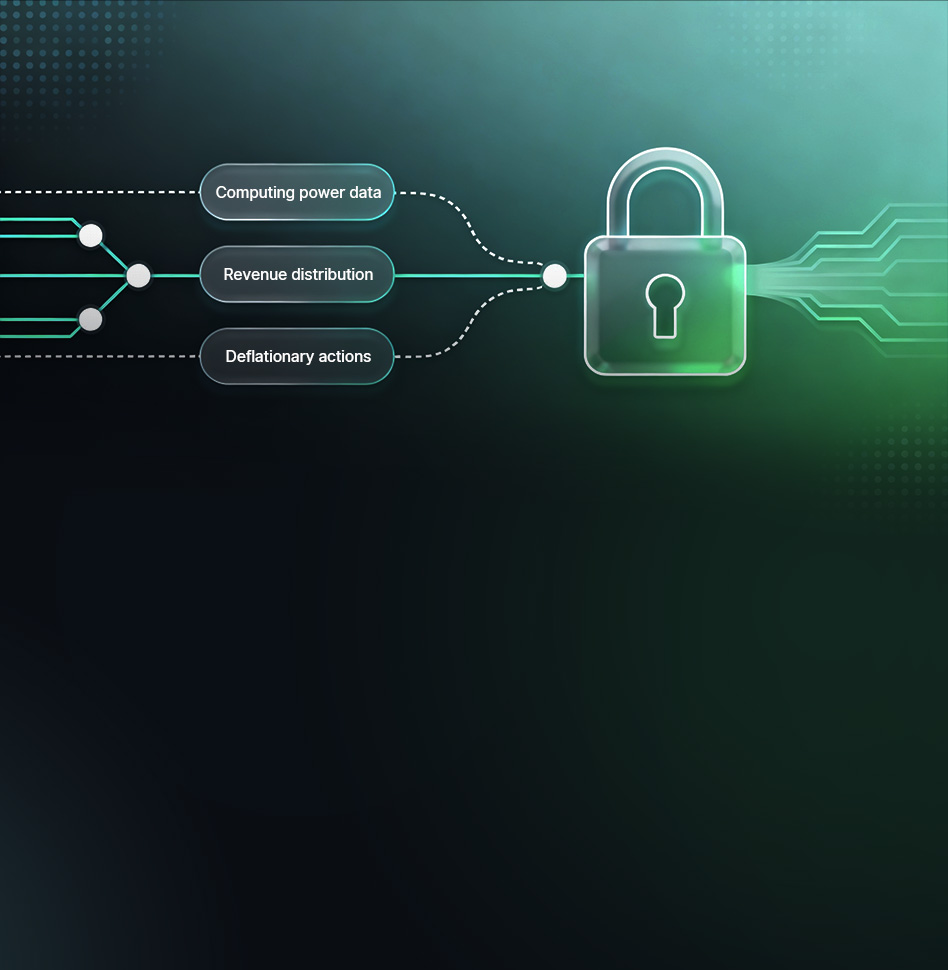
DF Protocol’s DH/ECDH encryption framework, computing-power signatures, and random auditing mechanisms form a complete verifiable computing-power security structure. The protocol ensures that all computing-power data, reward distributions, and deflationary actions can be cryptographically verified, making computing power a provable, auditable, and tamper-proof source of real assets.

Your Ecosystem Use Cases
In a variety of scenarios, DF Protocol serves as the foundational engine for trusted computing power and cryptographic security.

Infrastructure
Requires stability and trust, with mathematically guaranteed security to prevent forgery and tampering.

How Diffie Protocol Works
In the Web3 blueprint, DF provides encrypted communication, node identity, and computing-power verification frameworks, delivering a secure foundation for on-chain systems, data platforms, and application infrastructure.
Leading the New Future of Exchange Computing-Power Ecosystems
Together with CoinP Exchange, we are building a global trusted computing-power ecosystem, deeply integrating cryptographic security with exchange-level liquidity.


FAQ
-
A: DF Protocol is a trusted computing-power protocol jointly initiated by the Diffie Foundation, Cryptic Labs, and CoinP Exchange. Based on the Diffie–Hellman cryptographic framework, it provides foundational infrastructure for Web3, enabling verifiable computing power, encrypted communication, and a deflationary economic structure.